


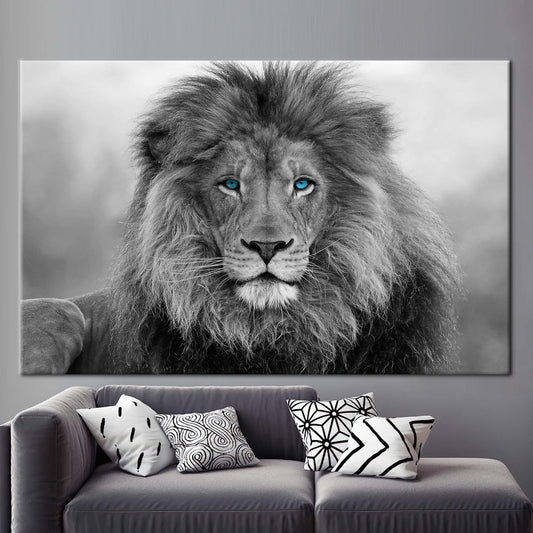

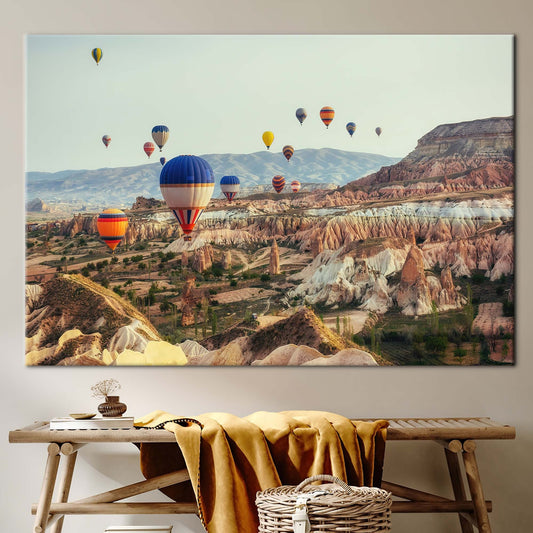

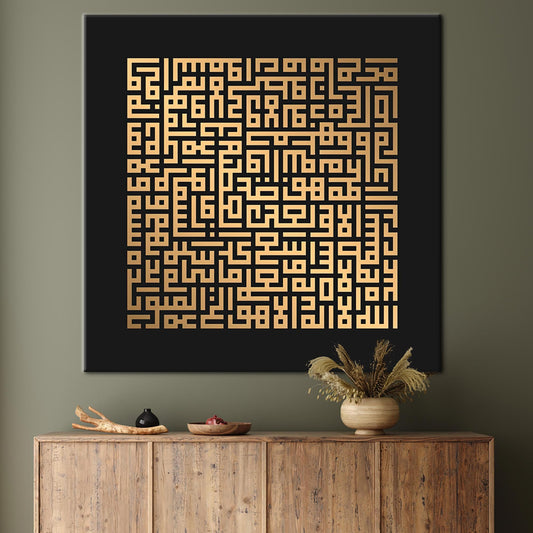

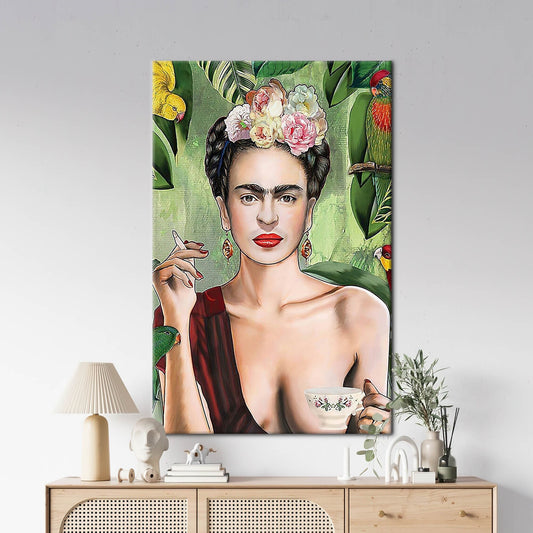

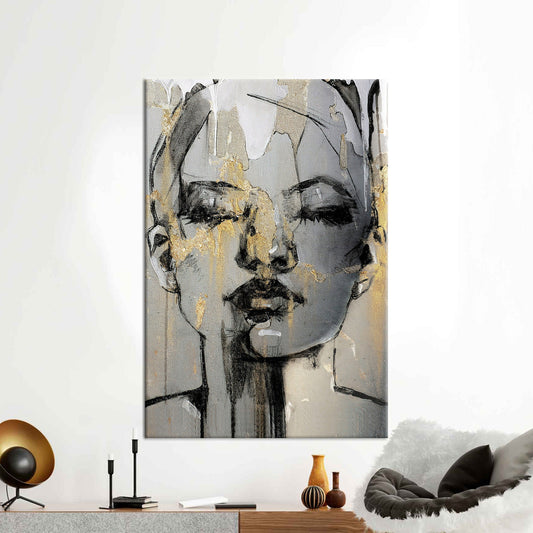

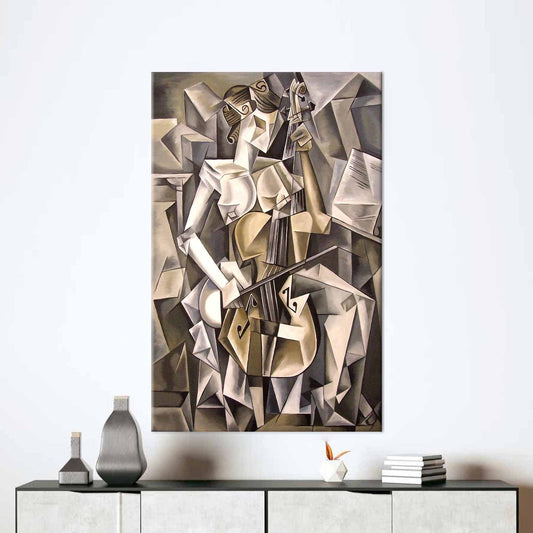
Unique Art
Don't have the same boring house as everyone else. Create a sense of individuality by display art that represents your personal style and taste

Create a meaningful piece made just for you. Choose from personalized canvas...


PREMIUM WALL ART COLLECTIONS
Mix, match, and transform your walls with curated poster sets made for modern and stylish interiors.
Enjoy free shipping on all orders.
Top notch customer service.
Chosen by professionals who value quality and design.
Art delivered wherever you are.
ELEVATE YOUR WALLS
Premium wall art, thoughtfully selected.
From minimalist designs to expressive artwork, explore museum-quality prints that transform your walls into a reflection of your style.
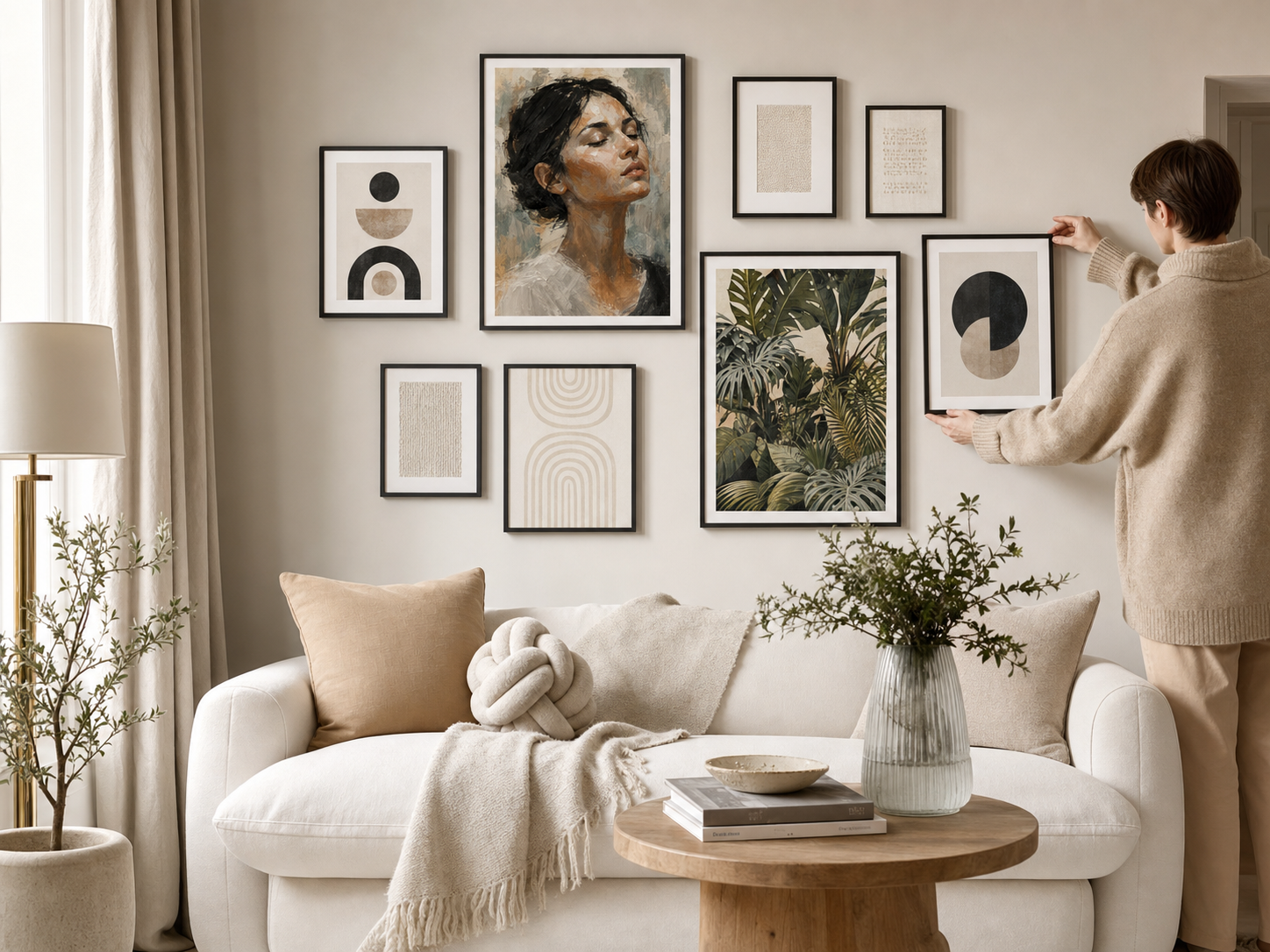


Don't have the same boring house as everyone else. Create a sense of individuality by display art that represents your personal style and taste
We hand-select each artist, bringing you a trusted source of bold and expressive artworks to effortlessly transform your home
Run by creatives for creatives, we have a passion to champion and financially empower underrepresented artists
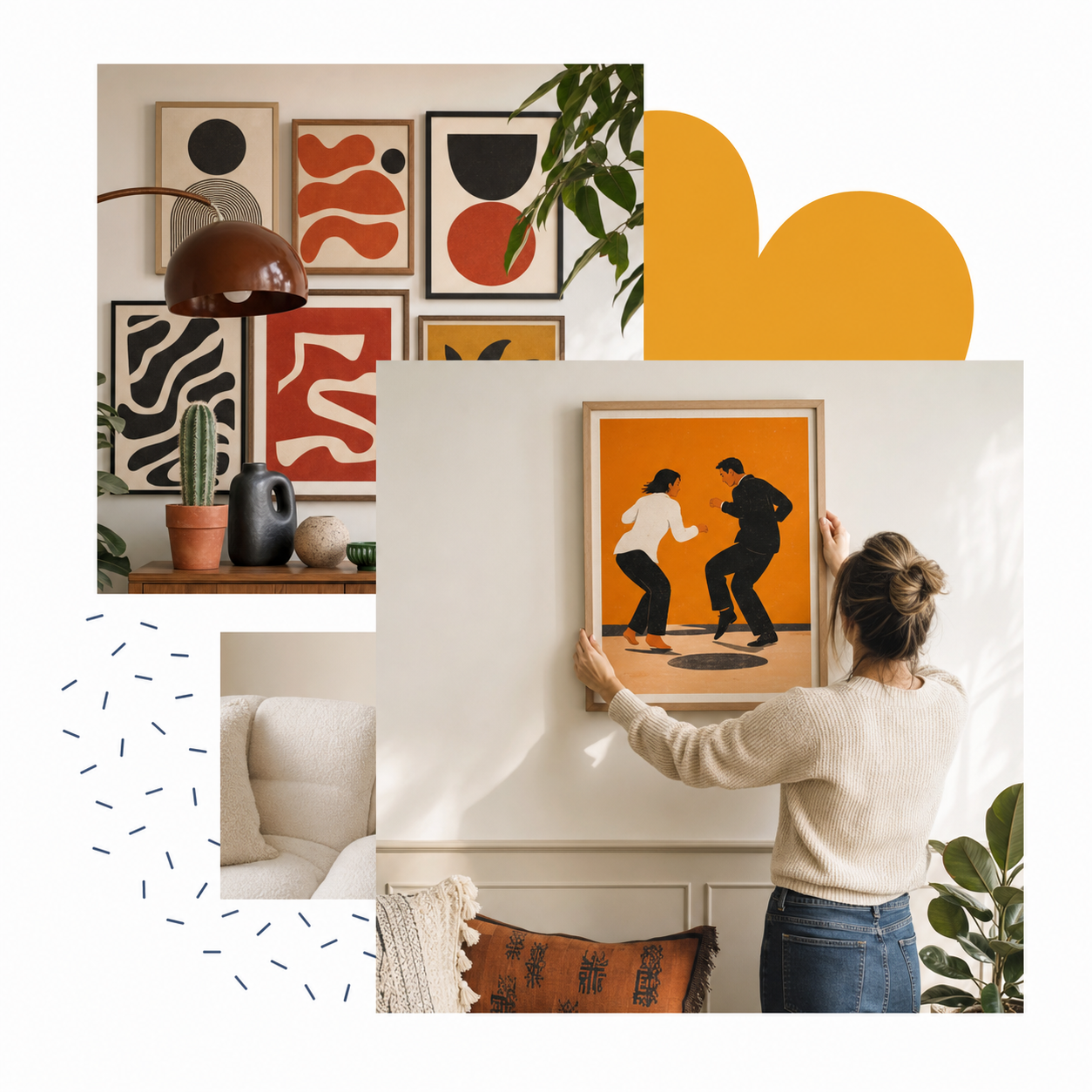
YOUR HOME, YOUR STYLE
Decorate your home, your way.
We are sure you’ll find a variety of incredible wall decor options perfect for adding to the walls of your bedroom, living room, home office and kitchen as wall art prints, framed art and wallpaper!

“"These prints are such high quality and look absolutely amazing! They are so different to other prints that I have found, making them very unique and they give my space the wow factor! I would definitely recommend."”
 Helly Kleman
Shop By Canvas Print
Helly Kleman
Shop By Canvas Print
“"Really easy to order on website. Both prints I ordered look lovely & compliment the recently newly decorated bedroom. This is the second order & both times prints have been lovely."”
 Dawn Tannere
Shop By Glass Wall Art
Dawn Tannere
Shop By Glass Wall Art
““Efficient service from ordering to delivery. Prints are as seen in images and website was way to navigate making ordering easy! Will be looking for more prints soon.””
 Matt Merty
Shop By Cutting Board
Matt Merty
Shop By Cutting Board


